 Propylene glycol is essentially “non-toxic” and can come in various grades including industrial grade (PGI) and United States Pharmacopeia (PG USP).
 Ethylene glycol is less viscous and provides slightly better heat transfer properties than propylene glycol.
 Geothermal heating systems utilize the latent heat energy of the earth in order to conserve the power used to cool and heat residential, commercial, and industrial buildings.
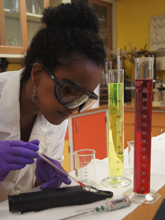 To maintain corrosion and freeze protection in customer systems, Houghton offers comprehensive heat transfer fluid analysis.
 Houghton Chemical blends corrosion inhibitor packages into our heat transfer fluids to protect multi-metal systems from corrosion and minimize the accumulation of insulating scale on your heat transfer system surfaces.
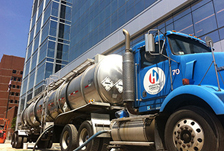 Our advanced chemical transport service is available for drum, tote or bulk deliveries.
Safefy Data Sheets available for safe handling procedures of inhibited glycol.


Heat Transfer Fluids

Heat Transfer Fluids | Inhibited Glycol

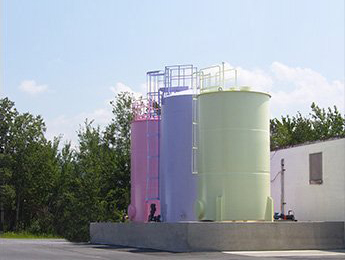 While water is an economical and thermodynamically superior heat transfer fluid, it suffers from some important deficiencies.
Using properly inhibited heat transfer fluid overcomes these difficulties while preserving the beneficial properties of water.
Properly manufactured heat transfer fluids offer the most effective combination of both corrosion protection and freeze tolerance.
Heat transfer fluids can be made from inhibited ethylene glycol, inhibited propylene glycol, or inhibited ethyl alcohol.
Houghton Chemical’s heat transfer fluid products include SAFE-T-THERM® , WINTREX®, and GeoSafe®.


Products
SAFE-T-THERM® GRAS |
| USP Grade Propylene Glycol |
| GRAS Inhibitors |
| -50°F to 230°F |
| Food & Pharmaceutical Processing, Refrigeration |
| Generally Recognized as Safe (GRAS) for incidental food or potable contact |
| NSF approved as HT1 |
  |
SAFE-T-THERM® HD |
| Industrial Grade Propylene Glycol |
| Heavy Duty Inhibitors |
| -50°F to 325°F |
| HVAC |
SAFE-T-THERM® LC 25 |
| Industrial Grade Propylene Glycol |
| Enhanced Inhibitors |
| 20°F to 200°F |
| Data Center Single-Phase, Direct-to-Chip Cooling |
SAFE-T-THERM® GRAS Biobased |
| USP Grade Propylene Glycol |
| GRAS Inhibitors |
| -50°F to 230°F |
| Food & Pharmaceutical Processing, Refrigeration |
| Generally Recognized as Safe (GRAS) for incidental food or potable contact |
| NSF approved as HT1 |
| Potential for LEED Innovation Credits |
  |
SAFE-T-THERM® HD Biobased |
| Industrial Grade Propylene Glycol |
| Heavy Duty Inhibitors |
| -50°F to 325°F |
| HVAC |
| Potential for LEED Innovation Credits |
| |
SAFE-T-THERM® AL |
| Industrial Grade Propylene Glycol |
| Aluminum Safe Inhibitors |
| -50°F to 225°F |
| Aluminum boilers and systems with aluminum parts |
GeoSafe® |
| Ethanol |
| Standard Inhibitors |
| -25°F to 150°F |
| Geothermal / Ground Source Heat Pumps |
WINTREX® |
| Ethylene Glycol |
| Standard Inhibitors |
| -60°F to 220°F |
| HVAC, Ice Rinks, Thermal Storage |
WINTREX® HD |
| Ethylene Glycol |
| Heavy Duty Inhibitors |
| -60°F to 350°F |
| HVAC, Ice Rinks, Thermal Storage |
WINTREX® N |
| Ethylene Glycol |
| Nitrite Based Inhibitors |
| -60°F to 220°F |
| Standing Engines |
Heat Transfer Fluid Projects of Distinction




Contact Us

Sales
Sol Sandperl
Phone : 617-254-1010
ext 124
Email ssandperl@houghton.com

Technical
Reza Pishvaylakani
Phone :617-254-1010
ext 110
Email rpishvaylakani@houghton.com
Fun Facts

Did you know that when watching your photo magically appear, it was a partly made possible by Houghton Chemical?
Houghton Chemical was Polaroid’s sole provider of photograph solvents. Due to Houghton’s quality procedures and safety standards, Polaroid would not accept a solvent delivery from any other company.





Associations